
Thematic Area
Social Service Inclusion
Why do we advocate for it?
Bureaucratic and disjointed pathways force the informal sector to forego their right to access social services and opportunities.
Without robust accountability pathways, the government and private corporations take advantage of the people by earning profit from social services. This profit-first model disproportionately burdens informal workers, who lack steady incomes and institutional safety nets. Instead of receiving state-backed protection during crises, they are forced to navigate exploitative, privatized systems that prioritize corporate revenue over human well-being.
How do we address this?
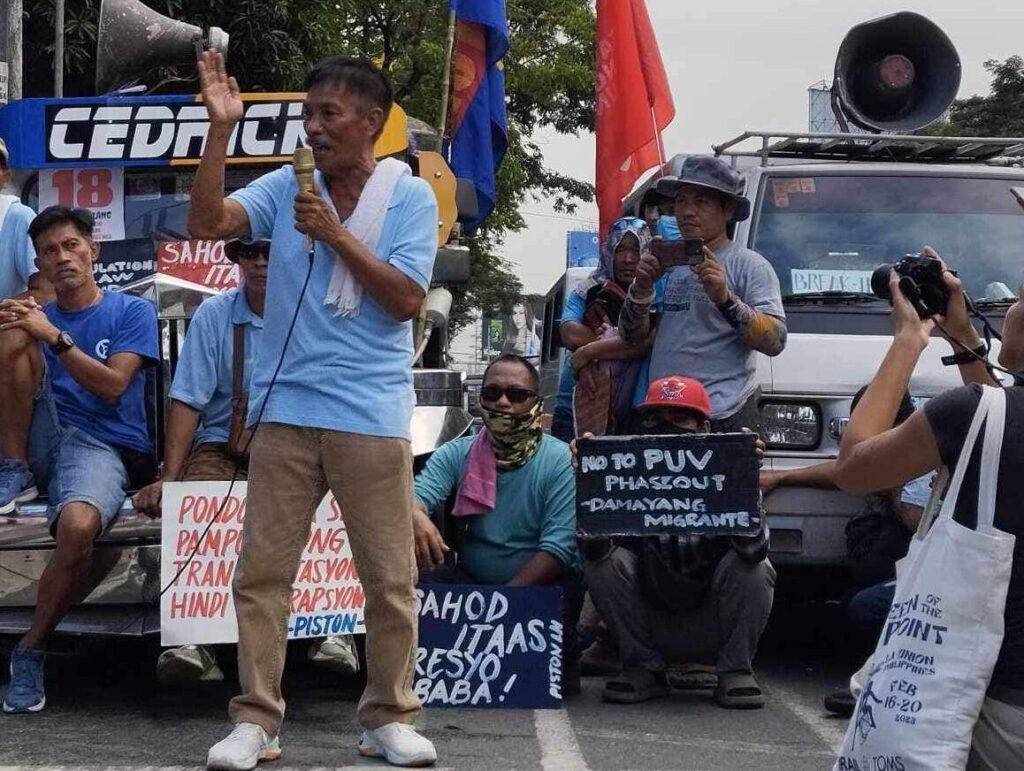
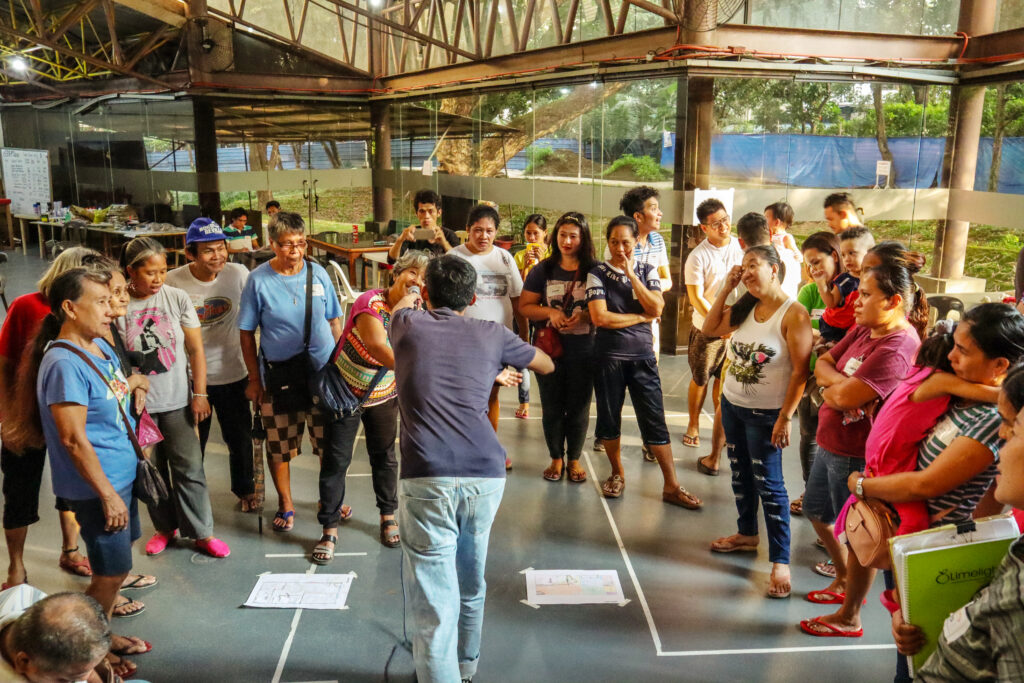
“Consumers keep having to pay more because government refuses to change the policies driving high prices.”
—Amihan Mabalay, SUKI Network Spokesperson
Featured Resources

Rebranding Neoliberalism in the Semicolony: How the 2025 to 2031 World Bank Philippine Country Partnership Framework Finances Dependency
Written by Jan Marvi Atienza
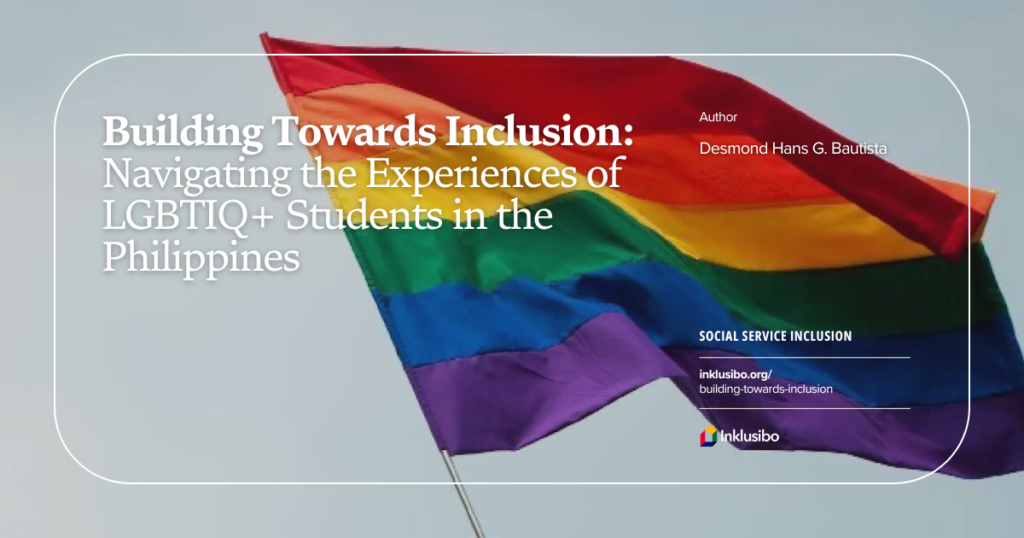
Building Towards Inclusion: Navigating the Experiences of LGBTIQ+ Students in the Philippines
Written by Desmond Hans G. Bautista
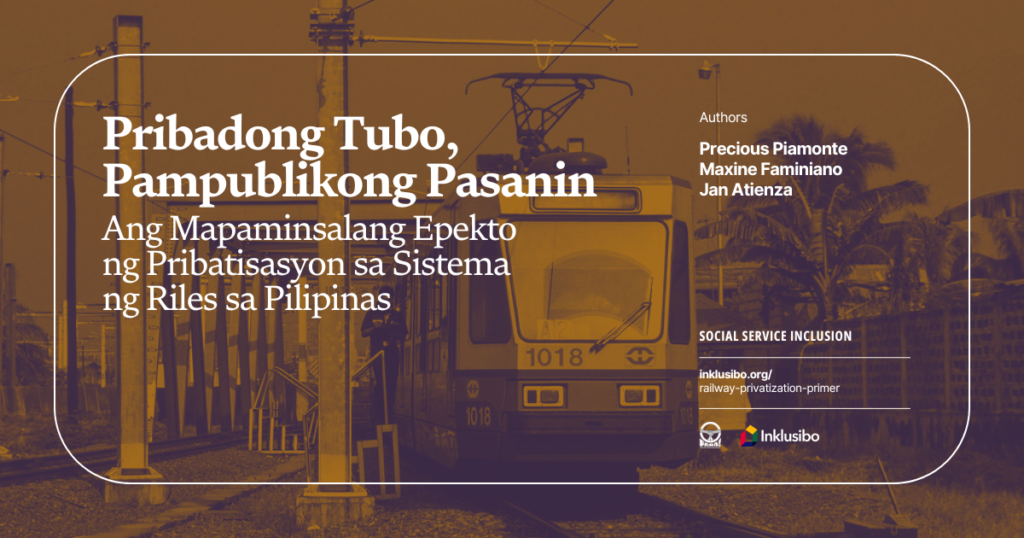
Pribadong Tubo, Pampublikong Pasanin: Ang Mapaminsalang Epekto ng Pribatisasyon sa Sistema ng Riles sa Pilipinas
Isinulat nina Precious Piamonte, Maxine Faminiano, at Jan Atienza
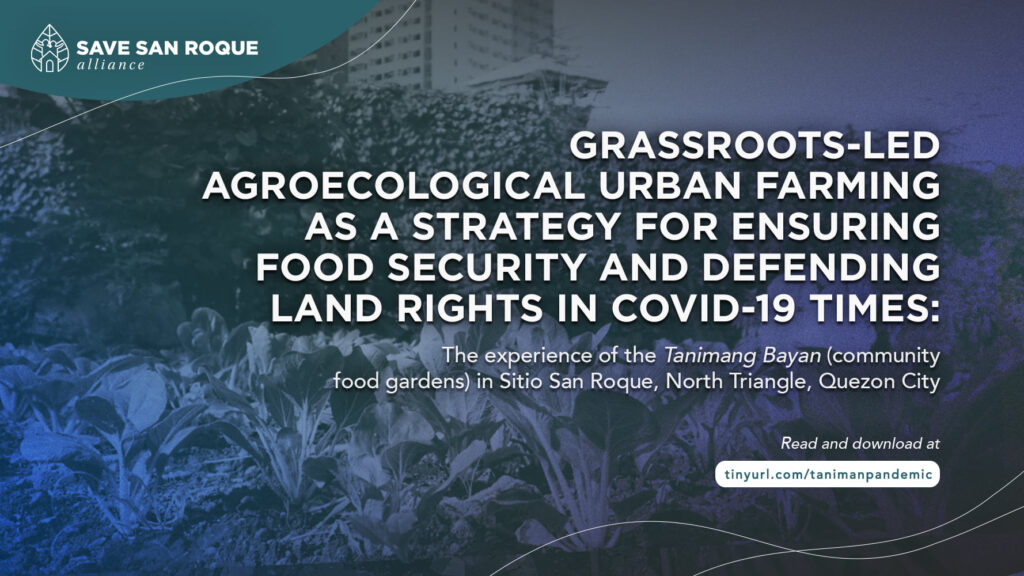
Grassroots-led Agroecological Urban farming as a strategy for ensuring food security and defending land rights in COVID-19 times: The experience of the Tanimang Bayan (community food gardens) in Sitio San Roque, North Triangle, Quezon City
Written by Gelyn Rosilio, Weng Bautista, Janine Lopez, Ervin Grana, Gabby Martinez, Maxine Faminiano, and…